
Revamping Your Rental Kitchen: A Guide for Landlords Between Tenants
If you’re a landlord looking to refresh your kitchen between long-term tenants, you know the importance of creating a space that not only appeals to prospective renters but also adds value to your property. Engaging with experienced kitchen renovation contractors can be a game changer in this process. They bring expertise that ensures your renovations not only meet aesthetic standards but also adhere to local building codes and regulations, saving you from future headaches.
Before you start, it’s crucial to consider your target market. Are you appealing to young professionals, families, or maybe retirees? Understanding your audience will guide your design choices. For instance, if your rental is in a family-friendly neighborhood, investing in durable, kid-friendly materials and ample storage can make your kitchen more attractive. Conversely, if your rental is aimed at professionals, sleek, modern designs with high-end finishes could catch their eye.
Another key aspect to think about is budget. Renovations can quickly spiral if not properly planned. Work with your kitchen renovation contractors to outline a clear budget and stick to it. Discuss which elements are essential and which can be adjusted without compromising the overall aesthetic. For instance, consider refacing cabinets instead of replacing them entirely. This small change can make a significant impact while keeping costs manageable.
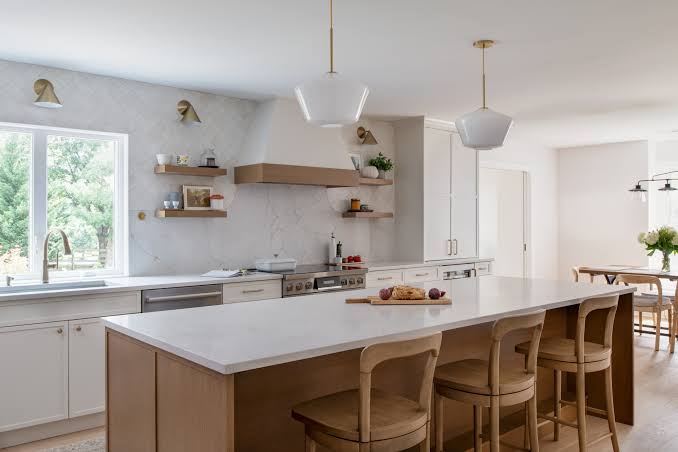
Timing is also critical. Completing renovations during tenant transitions minimizes disruption and ensures the kitchen is ready for new occupants without delay. A well-executed renovation can often justify a rent increase, so it’s worth considering the long-term financial benefits of investing in quality work. Moreover, efficient contractors will work diligently to keep the project on schedule, meaning your rental can be back on the market sooner rather than later.
Don’t forget about the little details that can make a big difference. Adding energy-efficient appliances not only appeals to environmentally conscious tenants but can also save on utility costs. Think about smart technology, like smart thermostats or lighting systems, which can add a modern flair and convenience that today’s renters often seek.
Ultimately, a well-planned kitchen renovation between long-term tenants can significantly enhance your rental’s appeal and profitability. By partnering with knowledgeable kitchen renovation contractors and keeping your target audience in mind, you can create a space that not only stands out but also meets the needs of future tenants. This investment in your property can lead to quicker rentals and potentially higher returns, making it a strategic move for any landlord.
…



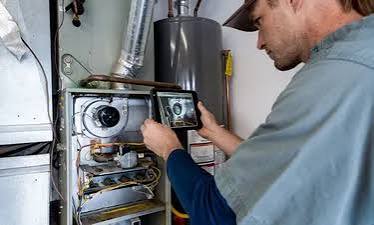










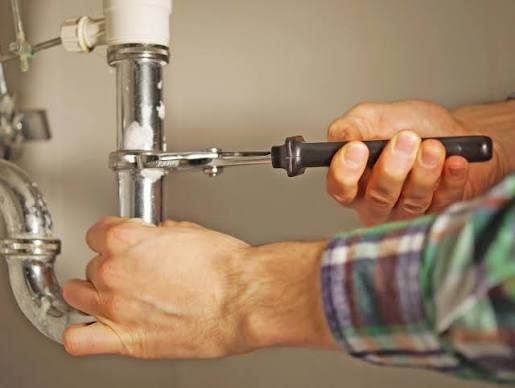
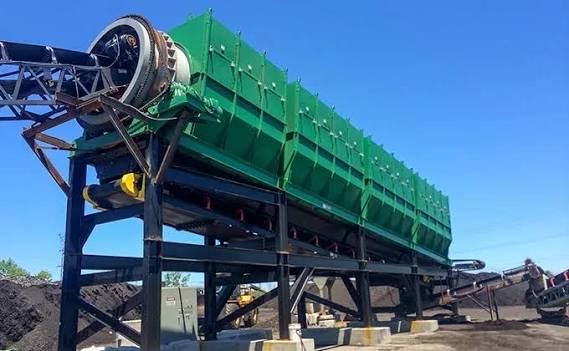










 Choosing the right construction company is one of the most important decisions for any residential or commercial building project. A reliable construction partner ensures that every stage of the project is completed with quality workmanship, careful planning, and attention to detail. Whether you are building a new home, renovating an existing property, or expanding a commercial space, a trusted Construction Company in Arnhem can transform your ideas into lasting structures that combine functionality, durability, and modern design.
 Reliable Project Management